Apple Security Alert Scam: Get Rid of Fake Virus Alerts

Leanne puts her love of troubleshooting and repair to use managing our Ask an Expert Facebook group and has authored hundreds of how-to, Apple news, and gear review articles.
Learn More Leanne puts her love of troubleshooting and repair to use managing our Ask an Expert Facebook group and has authored hundreds of how-to, Apple news, and gear review articles.
Learn MoreWhat to Know
- Don't tap on any fake virus warning or pop-up that you see when browsing the web.
- To block the link or virus alert pop-up, close the tab and clear your cookies & data in the Settings app.
- Fraudulent virus alert pop-up warnings and phishing sites are common scams.
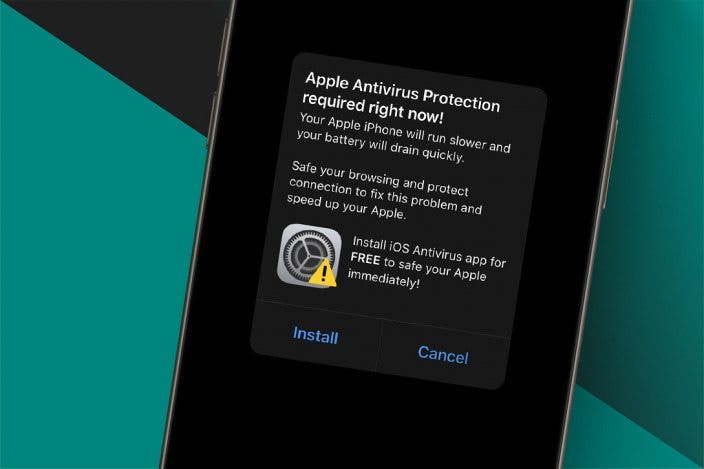
It can be alarming when you're browsing a website and you see a "your phone has been hacked" pop-up. A fake virus alert or fake iPhone security alert is a scam designed to get you to call or tap on a link. A fake iPhone virus warning is dangerous, so follow the steps below to safely stop virus scams on iPhone and iPad by turning on pop-up blocker settings.
Quick Facts About Your iPhone Virus Warning
- How do I know if my iPhone virus warning is real? Your iPhone doesn't perform virus scans and there aren't any apps that can scan for viruses. However, if your iPhone is being targeted by mercenary spyware, Apple will send out a threat notification. This notification will appear in the Settings app and in your Apple Account when logged in on desktop. It will not appear as a pop up in the middle of your phone screen.
- How do I know if my iPhone has a virus? The iPhone can't get viruses in the traditional sense, but you can still be subjected to phishing attempts. Check out our article on how to tell if your iPhone has a virus.
- How do I install Apple security updates to make my iPhone and iPad less vulnerable to malware, including viruses? The latest iOS update for your iPhone and the latest iPadOS update will improve your device's security, but you'll still need to follow the steps below to safely get rid of a fake Apple virus warning or security alert.
If you're interested in keeping your iPhone secure, be sure to sign up for our free Tip of the Day newsletter. When you sign up, you'll be automatically signed up for our weekly Security Friday newsletter. In Security Friday, we cover a range of privacy and security related topics, including the latest digital security news, tips on keeping your data private, and much more.
How to Get Rid of an Apple Security Alert Scam
Can you get a virus on your phone? An iPhone can't get a virus in the traditional sense. It's possible to install a malicious app that asks for excessive permissions or tries to trick you into making expensive in-app purchases. It is also for mercenary hakcing groups to target specific iPhones with advanced spyware. However, this kind of spyware is only going to be used against high-profile targets like politicians, journalists, or activists. Mercenary spyware is difficult and expensive to create and deploy, and is unlikely to be used against the average ordinary person.
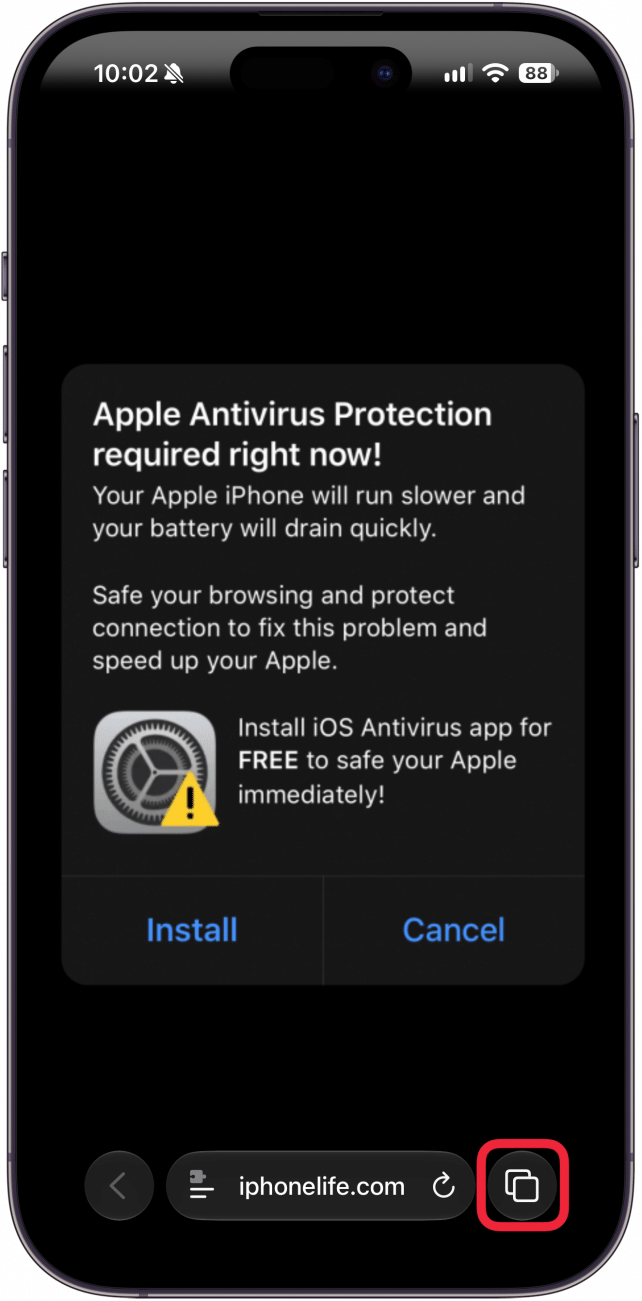
That means if you get an Apple security alert on your iPhone, the first thing to remember is that it is likely an Apple security alert scam. Don't tap on it or call any numbers listed on the fake alert; don't even tap on the pop-up to close it! Some scam alerts seem to have an X or Close option that only resembles a close button but will actually direct you to the phishing site. Instead, follow the steps below to get rid of fake virus alerts:
- Do NOT tap anywhere on the pop-up. Instead, tap the tab icon.
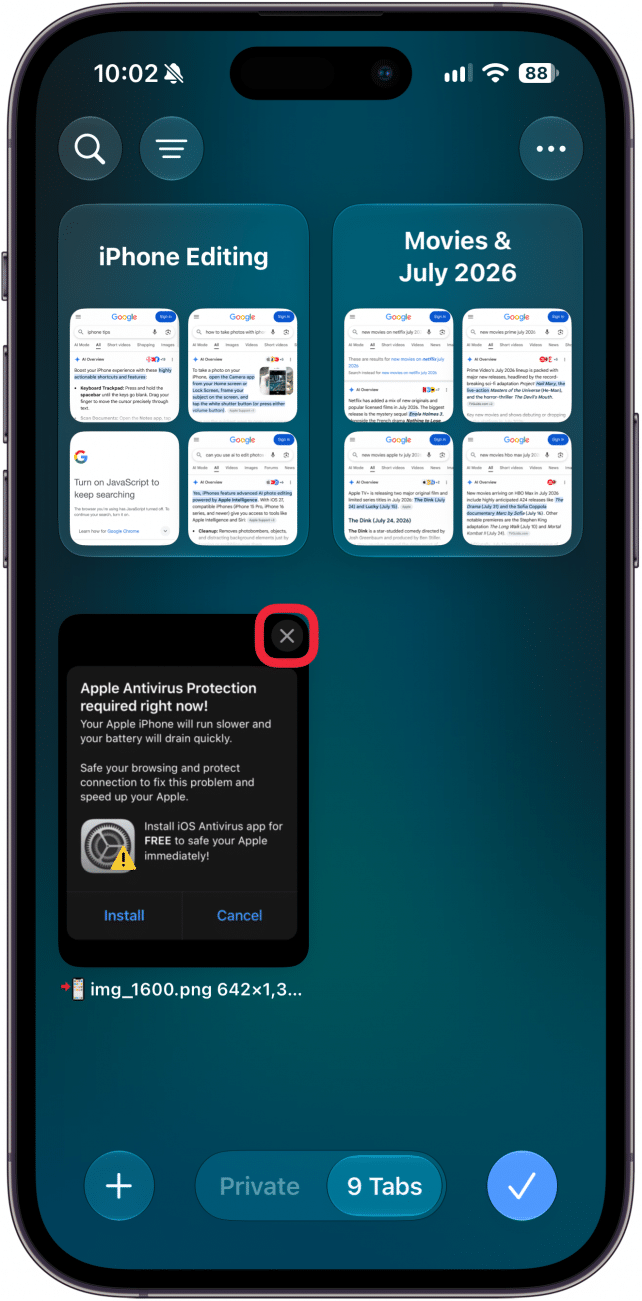
- Tap the X button on the tab to safely close it.
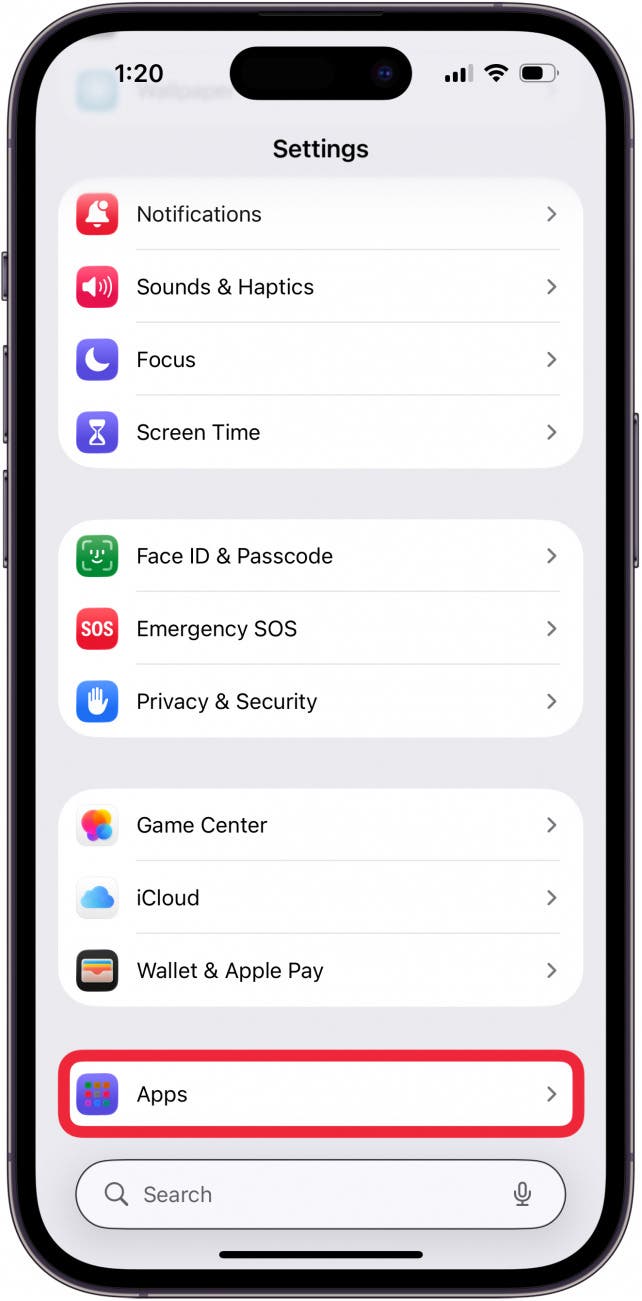
- Open the Settings app, and scroll down to Apps.
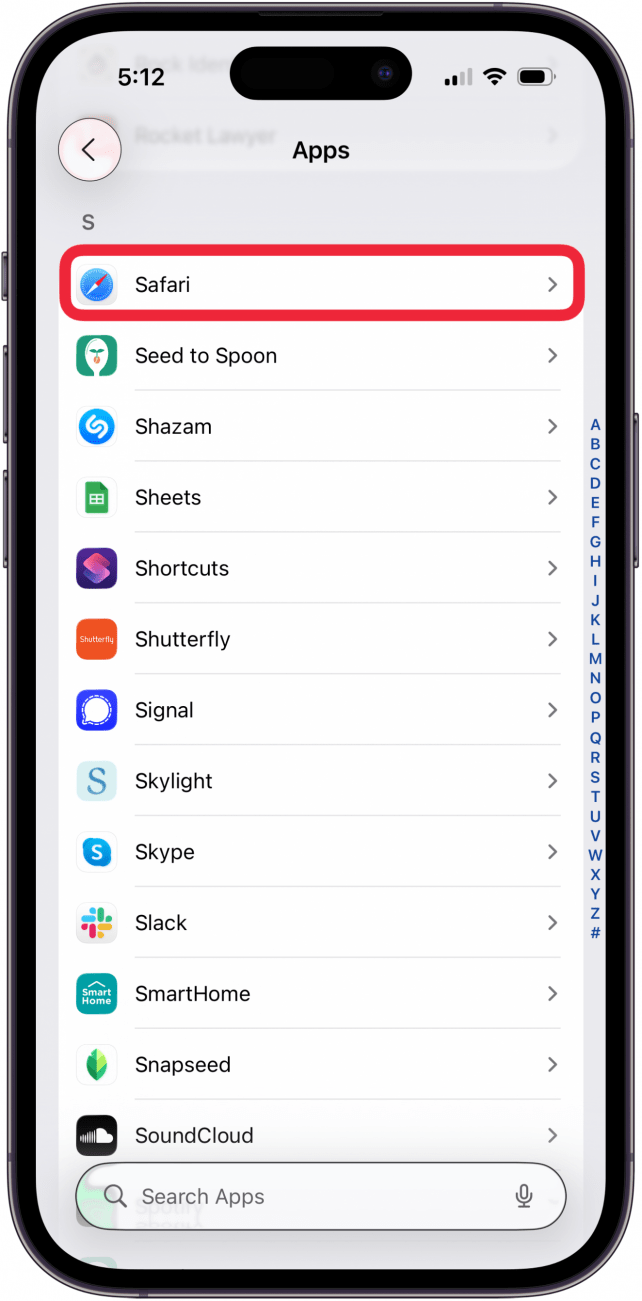
- Find Safari in the app list.
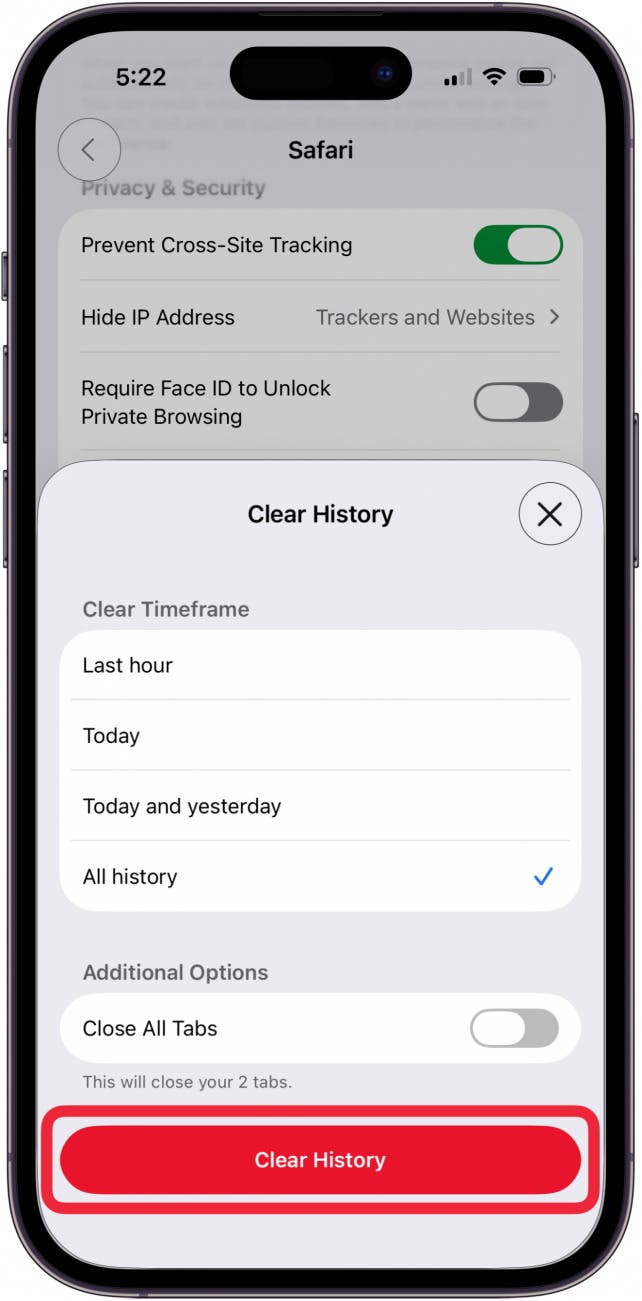
- Tap Clear History and Website Data.

- Choose what data you want to delete and then select Clear History.
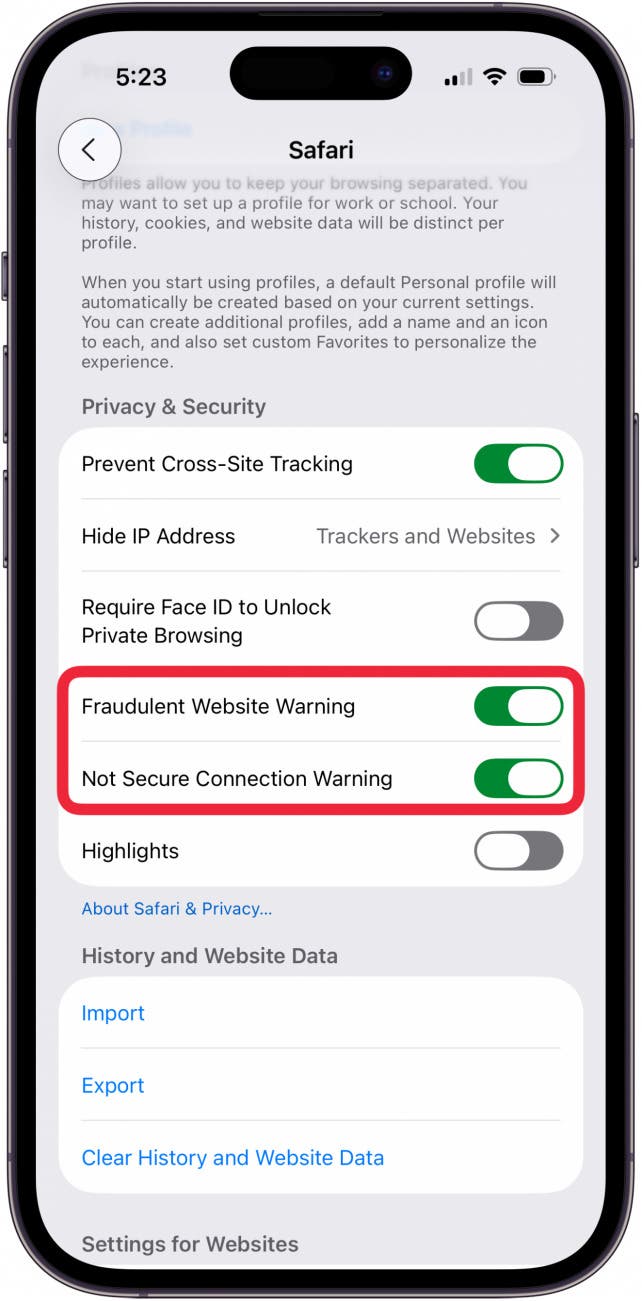
- While in Safari settings, make sure Fraudulent Website Warning and Not Secure Connection Warning are both toggled on.
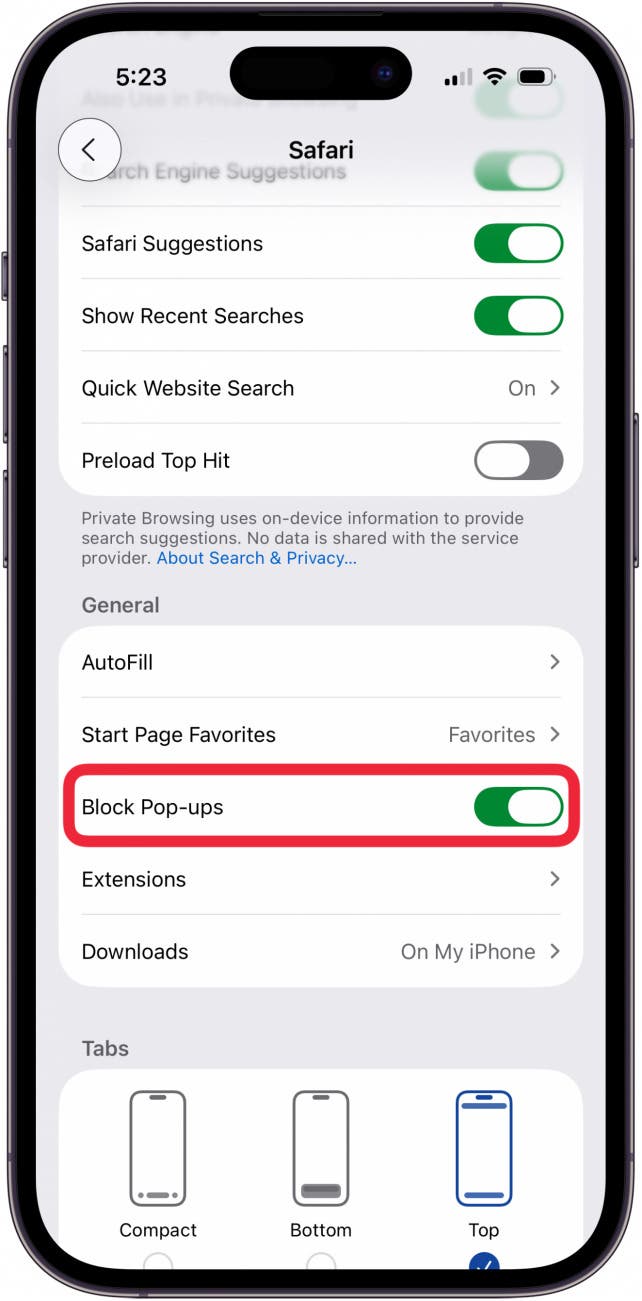
- Toggle on Block Pop-ups as well.
Now that you know how to get rid of the iPhone security warning scam, you can open Safari again; at this point, you shouldn't see another iPhone virus warning. If you didn't click on or interact with the security alert on your iPhone, all should be well. If you're curious to learn more about iPhone security, we've also published other articles about iPhone viruses and security, including Step Up Your Security: 7 Ways to Up Your Game, and How to Block Caller ID on iPhone & Make Private Calls.
FAQ
- Can iPhones get viruses and other malware? Yes, but you can stop your iPhone from getting viruses with some basic precautions.
- Can Apple really keep your data private? Our security expert Cullen Thomas has written an op-ed about browser tracking and Apple, viruses and malware, and more.
- What is iOS Rapid Security Response? Will it protect my iPhone from fake Apple security alerts? Rapid Security Response is an automatic update to your iPhone. You can learn all about Rapid Security Response from our roundup.
- Does Apple send text messages about unusual activity? No, Apple will not text you about unusual activity. If someone logs into your Apple Account, you'll receive a notification on all of your Apple devices to let you know and ask if you want to allow the login, but the company will not text you.
Top image credit: wk1003mike / Shutterstock.com

Leanne Hays
Leanne Hays has more than sixteen years of experience writing for online publications. As a SEO Specialist and Feature Writer for iPhone Life, she has authored hundreds of how-to, Apple news, and gear review articles, as well as a comprehensive Photos App guide. Leanne holds degrees in education and science and loves troubleshooting and repair. This combination makes her a perfect fit as manager of our Ask an Expert service, which helps iPhone Life Insiders with Apple hardware and software issues.
In off-work hours, Leanne is a mother of two, homesteader, audiobook fanatic, musician, and learning enthusiast.
 Rhett Intriago
 Olena Kagui

 Amy Spitzfaden Both
 Rachel Needell